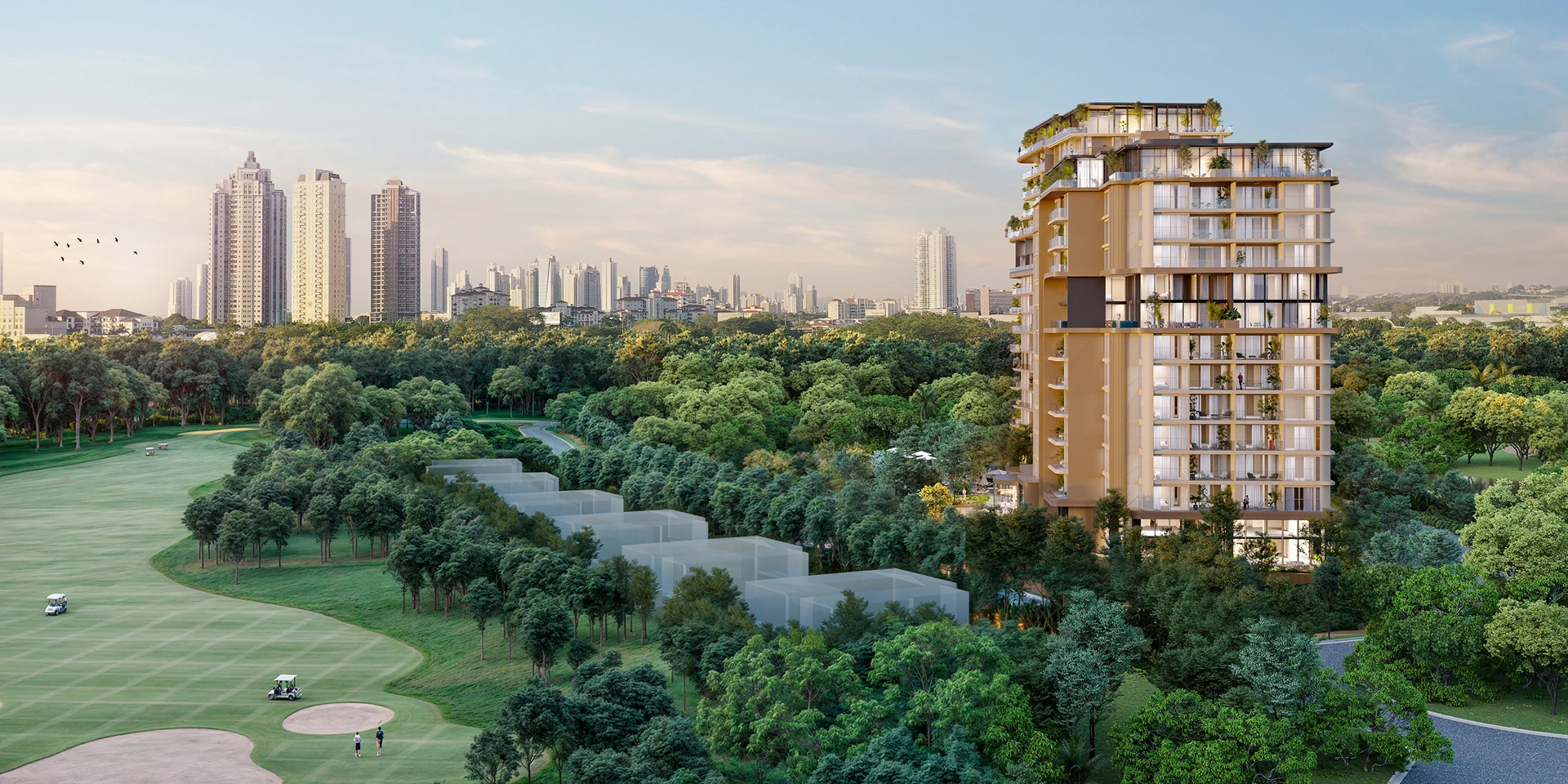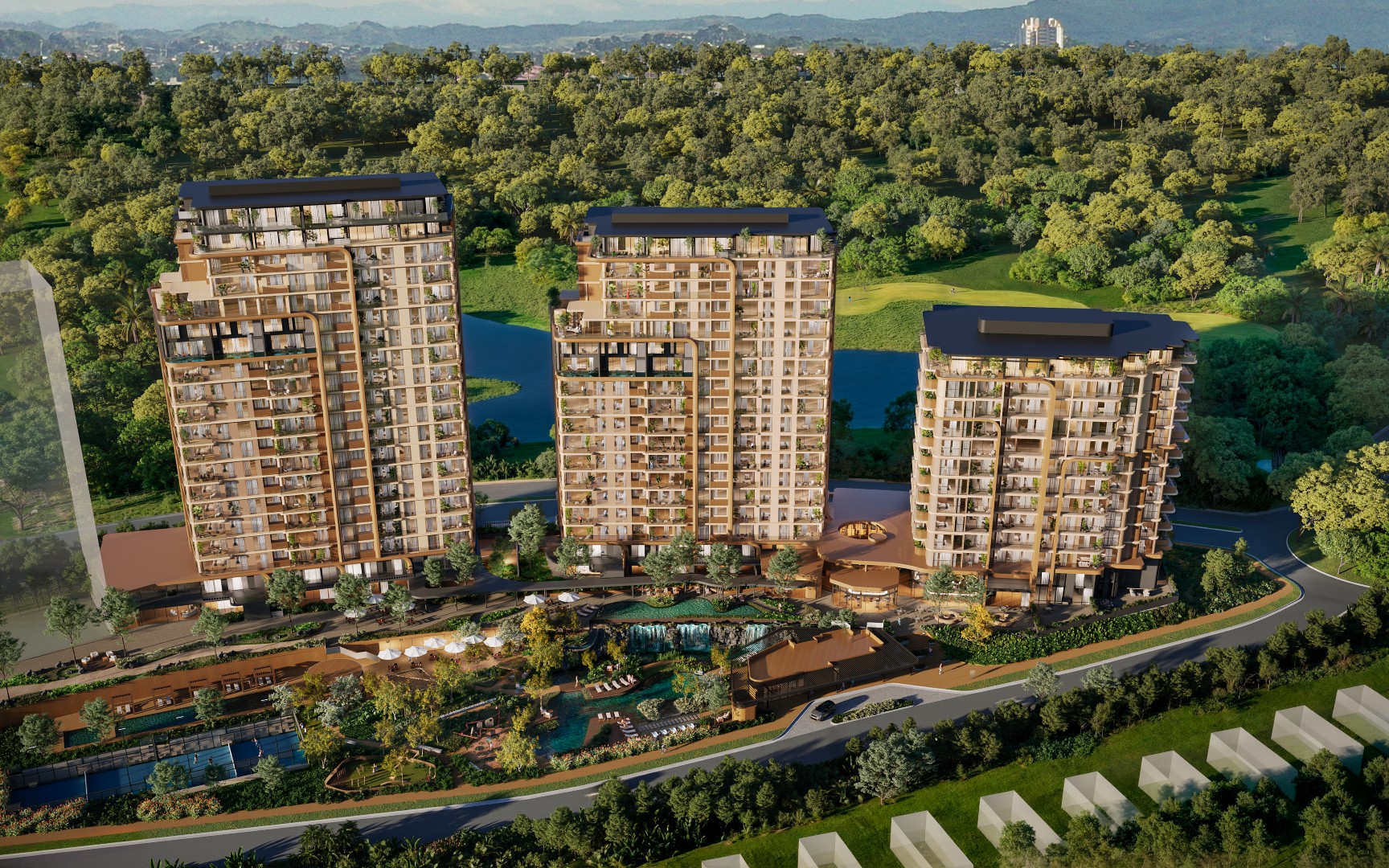



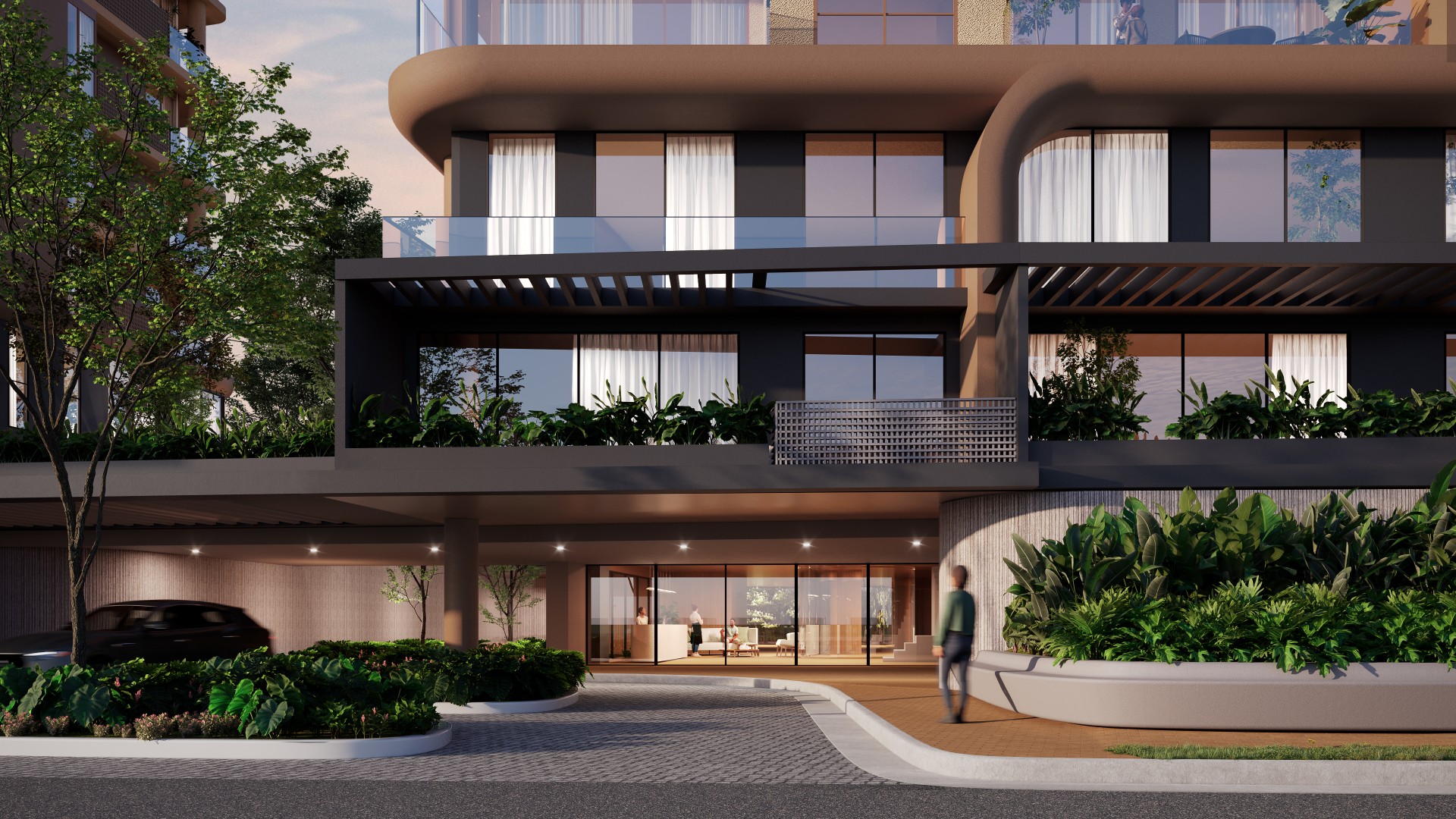
Quick answer: Luxury Italian residences in Panama are high-end homes designed around Italian principles: balanced proportions, natural light, fine materials and meticulous craftsmanship. Bosco di Santa María brings that approach to Santa María, Panama City, combining Italian-inspired design, quality finishes and a green setting for buyers who value quality over square footage alone.
Panama City’s skyline is full of glass towers, but a growing number of buyers want something more distinctive: homes where design and materials carry the value, not just the view. Luxury Italian residences in Panama meet that demand, and Bosco di Santa María was conceived with that buyer in mind.
Bosco means “forest” in Italian. The name reflects the project’s idea of a residential community where Italian design meets the greenery of Santa María. This guide explains what defines an Italian-designed residence, which materials and craft traditions matter, how they perform in Panama’s tropical climate, and what buyers should look for.
“Italian design” is often used loosely in real estate marketing. A residence deserves the label when several of these elements are present:
| Aspect | Italian-designed | Italian-inspired |
|---|---|---|
| Design authorship | Italian architect or interior studio involved | Local team using an Italian “look” |
| Materials | Specified and often imported from Italy | Visually similar alternatives |
| Kitchens and fixtures | Named brands in written specifications | Generic or unbranded equivalents |
| Documentation | Specification sheets, certificates of origin | Renderings and marketing copy |
Buyers should always know which of the two they are paying for. Ask the sales team which finishes are specified or imported and which are locally sourced, and request the answer in writing.

Italy’s stone tradition goes back to Roman times. The quarries of Carrara, in Tuscany, produce white and grey marbles, including the Statuario and Calacatta varieties. In luxury homes, marble usually appears in bathroom walls and vanities, kitchen islands and entrance lobbies. Travertine adds a warmer, textured look for floors and exterior details.
Italy has a long ceramic tradition, with much of its tile industry concentrated around Sassuolo, in Emilia-Romagna. Large-format slabs can recreate marble, concrete or wood. They absorb far less water than natural stone, which makes them well suited to humid climates.
Engineered oak or walnut floors, custom kitchens, wardrobes and doors are where craftsmanship shows most: precise joints, consistent veneer and hardware built to last.
Kitchens, appliances, bathroom fixtures, sanitaryware, lighting and door hardware should each appear by brand and model in the signed specification sheet. List only what the specifications state, and keep your copy aligned with the sales documentation you receive.
Materials alone do not make a luxury residence. Installation quality decides whether a marble bathroom still looks good ten years later. Signs of serious craftsmanship include:

Panama has a tropical climate with high year-round humidity and a long rainy season, roughly May to December. Good Italian design adapts its specifications to these conditions instead of copying a European apartment.
| Material | Performance in a humid climate | Recommended approach |
|---|---|---|
| Natural marble | Porous; can stain or etch | Use on feature surfaces; seal regularly |
| Porcelain stoneware | Very low water absorption | Ideal for bathrooms, terraces and kitchens |
| Solid wood | Can swell or warp | Prefer engineered wood with climate control |
| Brass and metal finishes | May tarnish over time | Choose PVD-coated or lacquered finishes |
| Lacquered joinery | Stable if edges are sealed | Check edge-banding quality |
Santa María is a master-planned community in the Juan Díaz area of eastern Panama City, next to the Corredor Sur and close to Costa del Este. It is home to the Santa María Golf & Country Club, an 18-hole course designed by Nicklaus Design, and to The Santa Maria, a Luxury Collection Hotel & Golf Resort. Tocumen International Airport is about 15–20 minutes away by car, depending on traffic. See the location page for the project’s setting.

Unit types, interior areas, views and availability change as sales progress. Check the current information on the apartments page and the amenities page, browse the gallery, and ask the sales team for the specification sheet of the unit you are considering.
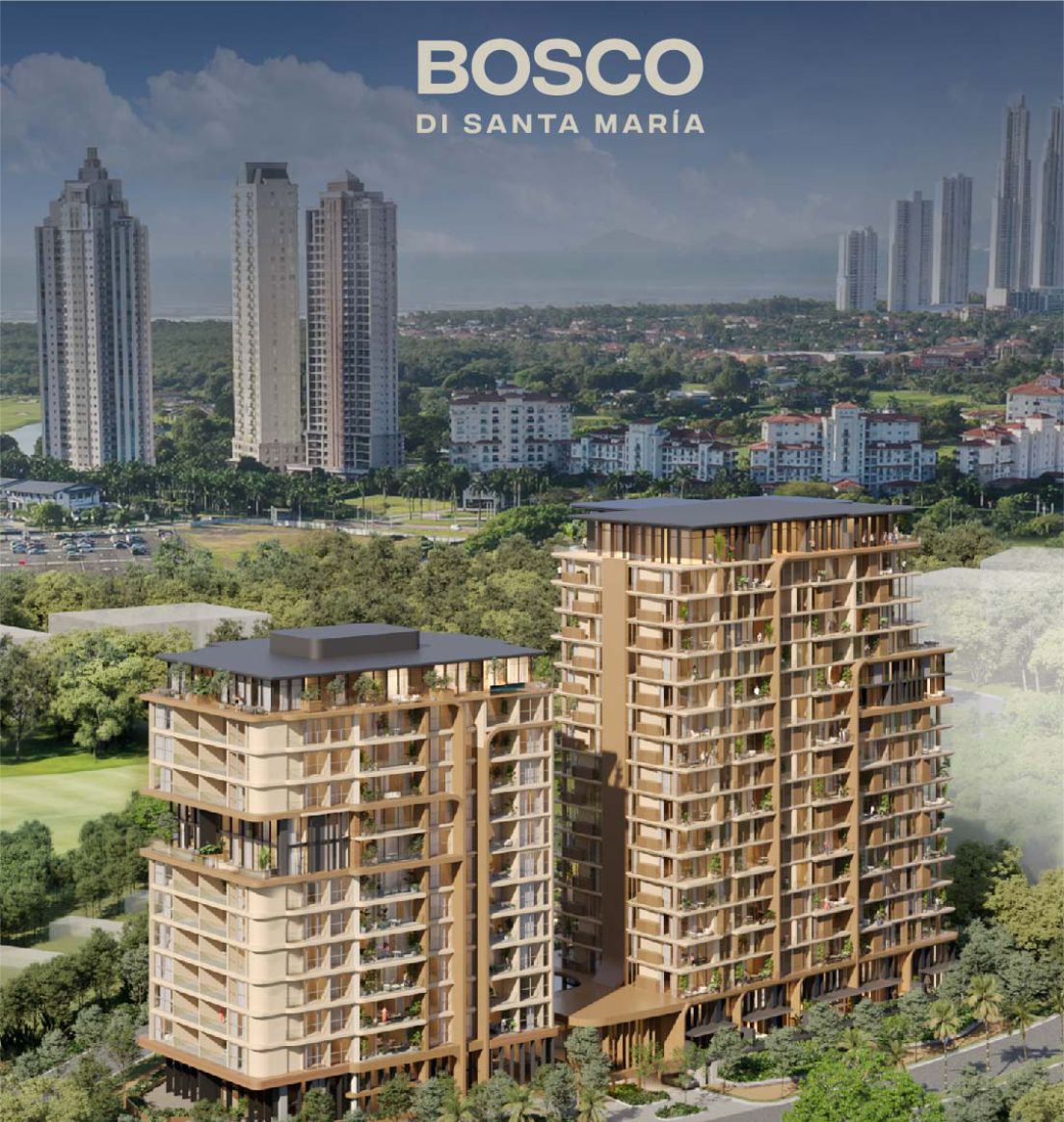
Design quality can support resale demand, but no property’s appreciation is guaranteed. Location, building management and market cycles remain decisive.
Foreigners can generally own property in Panama with the same rights as citizens, with limited restrictions near borders and on some islands. Several residency programs are linked to real estate investment, each with its own minimum amount and requirements, and those thresholds change over time. Confirm the current rules with a Panamanian immigration lawyer or the Servicio Nacional de Migración. For background, read our guide on turning a property purchase into permanent residency.
Before signing, buyers should:
A residential project in Santa María, Panama City, built around Italian-inspired design, quality materials and craftsmanship.
Italian design involvement, balanced proportions, natural materials and integrated details such as custom kitchens, joinery and lighting.
This varies by finish. Ask the sales team for the written specifications, which show what is imported and what is sourced locally.
Yes, if it is sealed and maintained. Porcelain stoneware is often the more practical option for bathrooms and terraces.
In the Juan Díaz area of eastern Panama City, next to the Corredor Sur, about 15–20 minutes from Tocumen International Airport depending on traffic.
Yes. Foreigners can generally buy property in Panama, and a qualifying purchase may support a residency application. Confirm the current requirements with a lawyer.
Use the contact page and the sales team will arrange your visit.
Luxury Italian residences in Panama are worth more than a label when design, materials and craftsmanship are genuinely there and adapted to the tropics. Bosco di Santa María brings that approach to one of Panama City’s most established green communities. Before you decide, review the specifications, see the finishes in person and plan the purchase with professional legal advice.
Schedule a visit to Bosco di Santa María to see the residences and materials up close.
Déjanos tus datos y recibe más información.