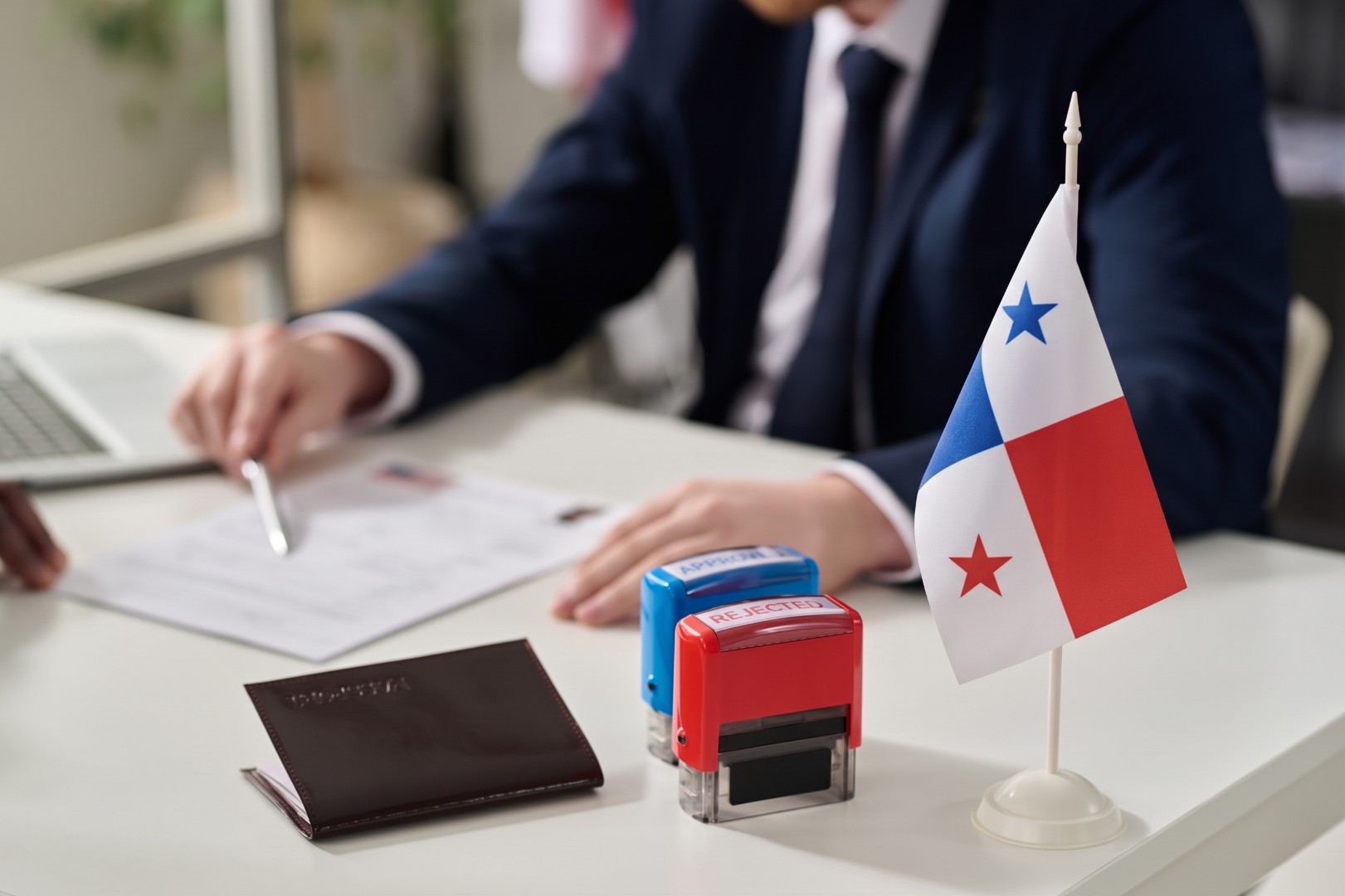



You already decided to buy in Panama. You like the property and the price is right, so the obvious next question is: what has to happen for the purchase to also buy you residency? The good news is that the trail is well marked. The good news is, if you sequence it right, it doesn’t have to feel like two separate processes.
The route from purchasing real estate to obtaining permanent residence is the Qualified Investor Visa, which is currently governed by Executive Decree 193. This category grants immediate permanent residence, unlike other Panamanian immigration options where two years of temporary residence have to be completed before granting permanent residence. Processing time usually takes 30 to 90 days once the complete file is ready to be reviewed.
That doesn’t mean the entire process takes 30 days. That range is for government review only. The prep work up front — gathering documents, making the purchase, lining up the source of funds — typically takes longer than the review.
Currently, the threshold is $300,000 in a lien free property but is set to be adjusted to $500,000 on October 15, 2026. Before you enter into any purchase commitment with residency as the goal, check with an immigration attorney to ensure that the amount and structure of the transaction will actually qualify under the threshold in effect on the date you file your application – not just the date of purchase.
In practice this is the longest step, and the one most frequently underestimated by applicants. The money used for the purchase has to be declared as coming from abroad, and banks in Panama are now subject to much tougher anti-money-laundering scrutiny than a few years ago. Having documents such as tax returns, records of the sale of an old asset, or account statements showing the source of the capital can save weeks of scrambling to put everything together once the process is already underway.
At closing, confirm that the property title is properly registered and free of liens and that the bank certifies that the transferred funds are from abroad. Where part of the purchase is financed by a local mortgage this must be clearly documented also as Migration looks at the whole structure of the transaction and not just the final amount.
Together with the purchase, you will need a valid passport, a criminal background certificate, a health certificate, photographs in the required format and long-term private health insurance valid in Panama – a short-term travel policy is not accepted for this category. All documents issued outside of Panama must be apostilled or consularly authenticated and if they are not in Spanish must be translated by a certified Panamanian translator.
All immigration applications must be submitted by a licensed attorney under Panamanian law. There is no self-filing option, regardless of how organized your documentation might be. Many buyers arriving in Panama with their eyes only on the property find at this stage the value of working with specialists who deal specifically with the immigration side of the process, such as the team at [GLP Panama Residency](https://glppanamaresidency.com). They can coordinate the residency application in parallel with the closing of the purchase, rather than waiting for the real estate transaction to be fully resolved before commencing the immigration filing.Step 6: Obtain your permanent residency
Once approved, the Electoral Tribunal will give you your permanent resident card and you will not have to renew it from time to time. The requirement is that the real estate investment be held for a minimum of five years and that the investor visit Panama at least once in every two years.
Don’t forget to factor in government fees of about $10,000 for the main applicant (more for each dependent), and legal fees that are often between $8,000 and $15,000, separate from the property price, plus smaller costs for apostilles, translations and the medical exam. All in all, an individual applicant should expect to pay between $18,000 and $26,000 in fees, not including the value of the property.
Most of the common pitfalls are less about the property itself and more about the sequence of the process: beginning to collect personal documents only after closing the purchase rather than doing so in parallel; using an unauthorized translator for immigration documents; or not anticipating the level of detail that Panamanian banks now require regarding the source of funds. None of these errors is fatal in isolation, but each can add weeks to a process that, when well organized, works itself out within a reasonable two-to-four-month window from start to finish.
If something is missing from your initial file, Migration will typically make a formal request for further documentation rather than simply rejecting the application — this adds time but does not mean that your case is jeopardized, as long as you respond within the stated window. The most common mistake at this point is to send a document not bearing the same level of legalization as the rest of the original file, for example sending an additional certificate without the corresponding apostille or certified translation, which in effect restarts the waiting period for that item. Any follow up requests should be done through your attorney, not in correspondence with Migration directly by you, so the response is held to the same standard as the rest of your file.
The process of buying property and applying for residency do not need to be sequential. If you make it clear from the beginning in your conversations with your real estate agent and immigration attorney that residency is the goal, both processes can proceed simultaneously and you’ll likely end up with a permanent resident card in a lot less time than if you treat each step as a separate transaction.
This article is provided solely for informational purposes and reflects public regulation as of September 2026. In Panama, numbers, schedules and conditions for immigration are subject to change by executive decree. Verify the latest information with a licensed Panamanian immigration attorney before taking any action.
Déjanos tus datos y recibe más información.